File Library
Explore Grasshopper definitions, example files, tutorials and reusable computational design files.
2,172 matching files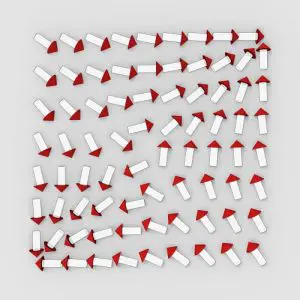
Field Basics
In this Paracourse Lesson we will study the Field component in Grasshopper and how it works. First we will talk about different charges and then how you can use different components in the field tab to visualize your field
View file →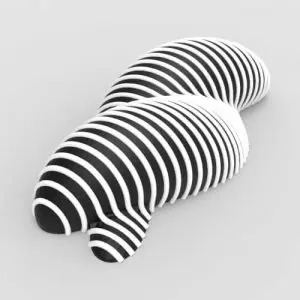
Math (Surfaces)
In this “ultimate package” grasshopper tutorial I will explain about two different techniques to model mathematical surfaces: Isomesh & Parametric. First I will explain how you can model the Isomesh surfaces in Grasshopper with the Monolith
View file →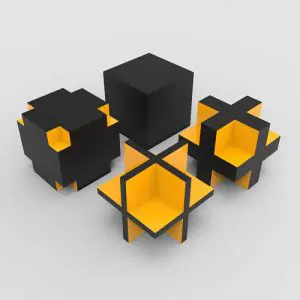
Boolean Box
In this Paracourse Lesson, we are going to model a parametric 3d pattern which is based on a solid difference of a parametric box with smaller boxes located at the corners.
View file →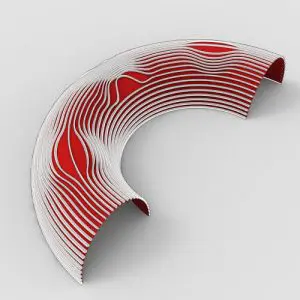
Pinch ‘n’ Spread
In this ParaCourse lesson, we will study the Pinch n Spread component of the Pufferfish plugin and how we can use it to morph a series of strips on a Nurbs surface.
View file →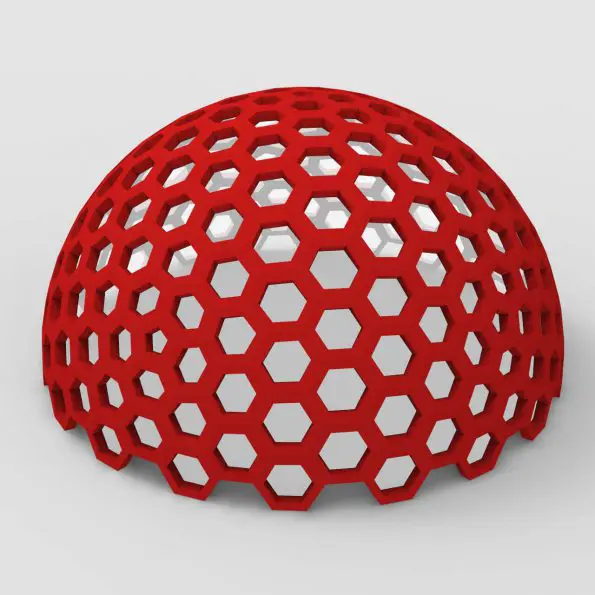
Geodesic Dome
In this Paracourse Lesson, we will model a Geodesic Dome in Grasshopper. First, we will use a Plugin to make the Baselines and then we will use advanced techniques to make the lines into polygons and thicken the dome.
View file →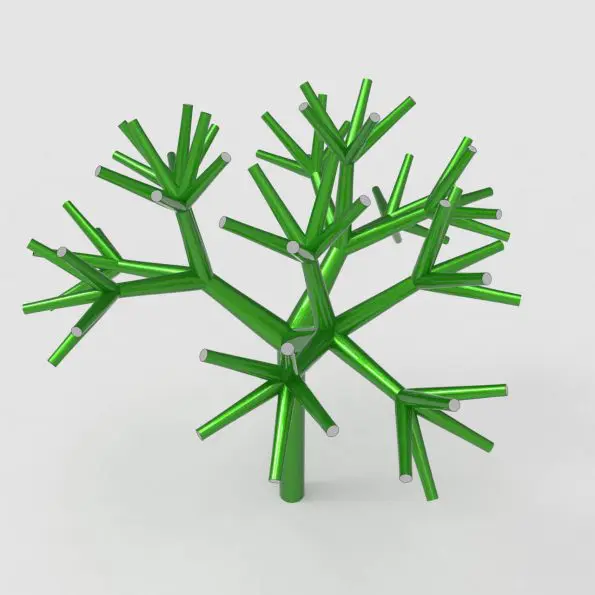
Branching
In this Paracourse Lesson, we will use the Anemone plugin to produce a branching system in Grasshopper. First, we will talk about the Anemone plugin and how it works and then we will use the looping system to make the branches step by step
View file →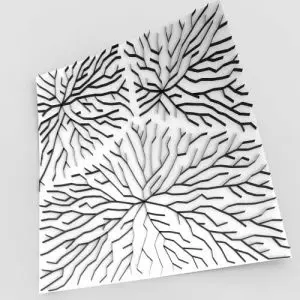
Venation Pattern
In this Grasshopper Lesson, I will show you with simple steps on how to make a venation pattern in Grasshopper using a short walk method. First, we will talk about the algorithm and how the pattern can be produced by random points and then
View file →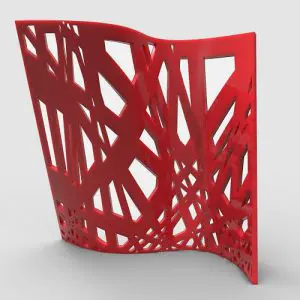
UV Pattern
In this Grasshopper Lesson, we will work with the UV curves of a NURBS surface to produce patterns or curves. First, we will study how the surface domain 2 works and then we will use intersections to produce more patterns.
View file →
Sphere Collide
In this Grasshopper tutorial for beginners you will learn how to use the Sphere Collide component from the Kangaroo Plugin.
View file →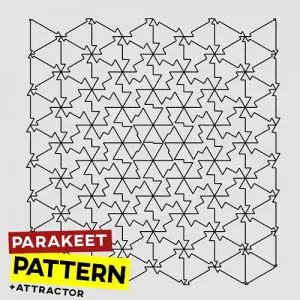
Parakeet Pattern
In this example file you can use the grasshopper’s different grids combined with Parakeet’s Genotype A to produce interesting Patterns.
View file →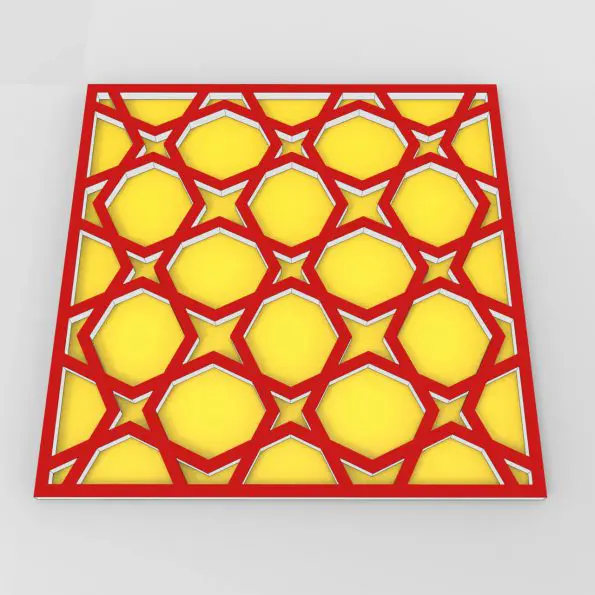
Simple Islamic Pattern
In this Paracourse Lesson we are going to use a simple technique to make the modeling of the islamic star pattern easier.First we are going to define two parameters for the pattern control and then we are going to give it a thickness.
View file →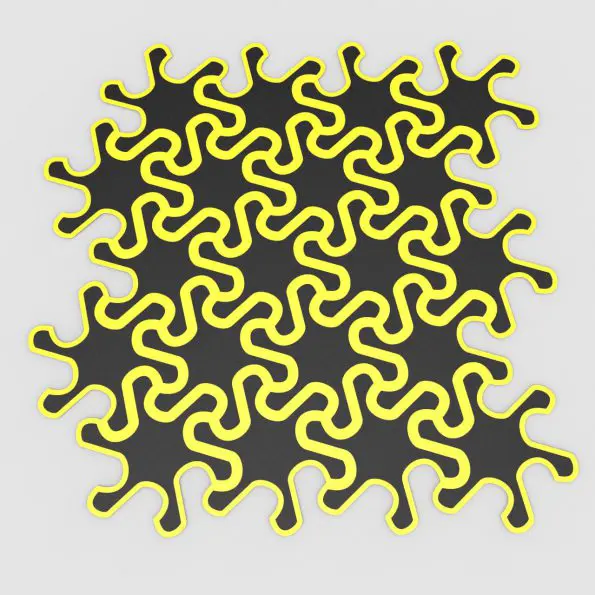
Interlocking Pattern
In this Paracourse Lesson we are going to model a parametric interlocking pattern. First we are going to start with a base grid (Hexagons) and then make the parametric connections with Nurbs curves.
View file →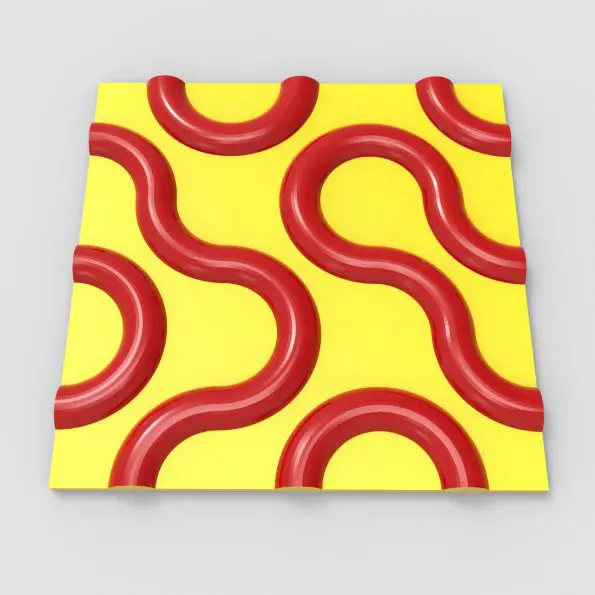
Truchet Tile Pattern
In this Paracourse Lesson we are going to model a complete 3d Truchet tiles based on pipes. First we are going to explain the logic behind the pattern and then we will model it from scratch.
View file →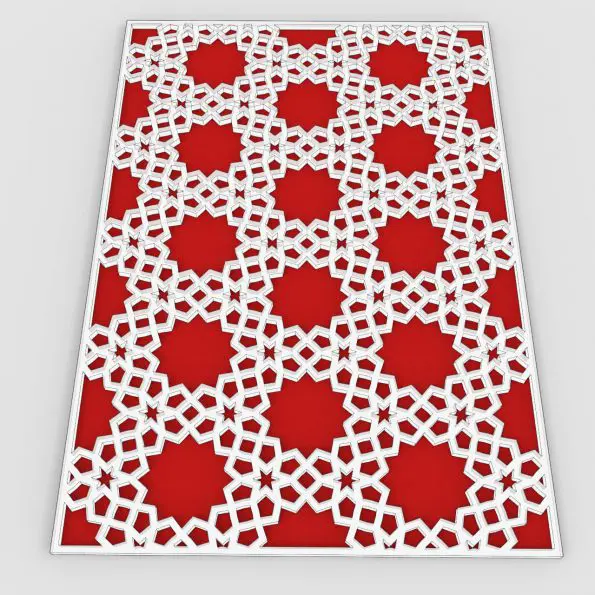
Islamic Star Pattern
In this ParaCourse Lesson, we ware going to model a parametric Islamic star pattern in Grasshopper. First, we are going to study the basics and how polygons in contact work and then we will make the stars inside the polygons.
View file →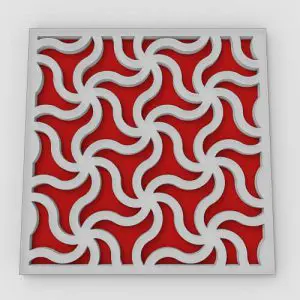
Parametric Curves
In this Paracourse lesson, we will model a parametric pattern. First, we will study the pattern and how we can recreate it with arcs. Then we will use a technique to give the base curves some thickness and get it ready for CNC or Laser Cut.
View file →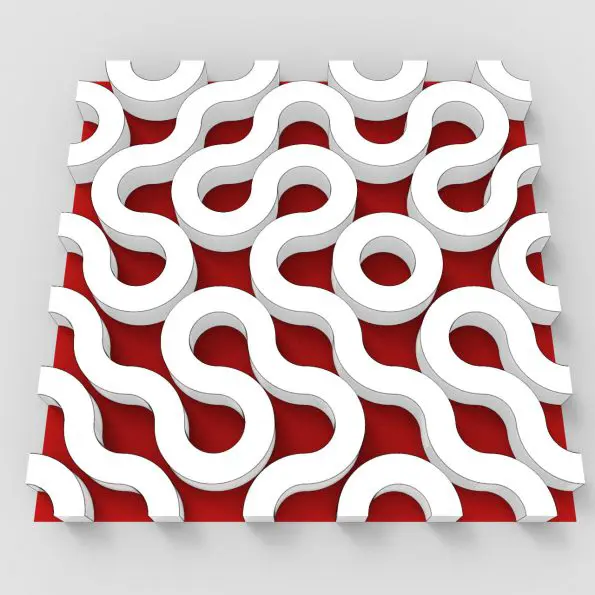
Truchet Tiles
In this video, we will model the Truchet tiles in Grasshopper. First, we will take a look at the tiles and how Truchet tiles work. Then we will use dispatch to produce two sets of square cells. We will simply draw arcs from the midpoint of
View file →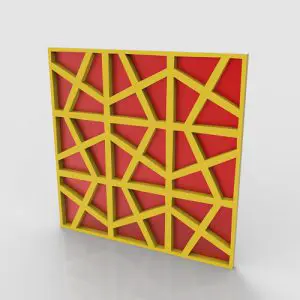
Cairo Tiling
In this Paracourse lesson, we will use advanced logic to model the Cairo tesselation from scratch. First, we will Study the pattern and then we will use several data management components to model the final mesh and give it thickness.
View file →
Pixel Art
In this Grasshopper course lesson, I will show how you can use the image sample to produce pixel art based on brightness or RGB. First, we will use the brightness to produce the resulting mesh and then we will dive into the RGB world.
View file →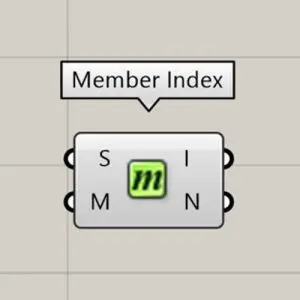
Member Index
In this Grasshopper tutorial for beginners you will learn how to use the member index component to sort a series of geometries or data which are similar.
View file →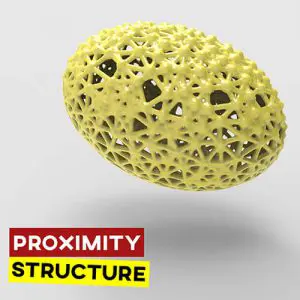
Proximity Structure
In this Paracourse lesson, we are going to learn how to use Proximity 3D to connect a series of points together and then use Dendro to voxelize the final results.
View file →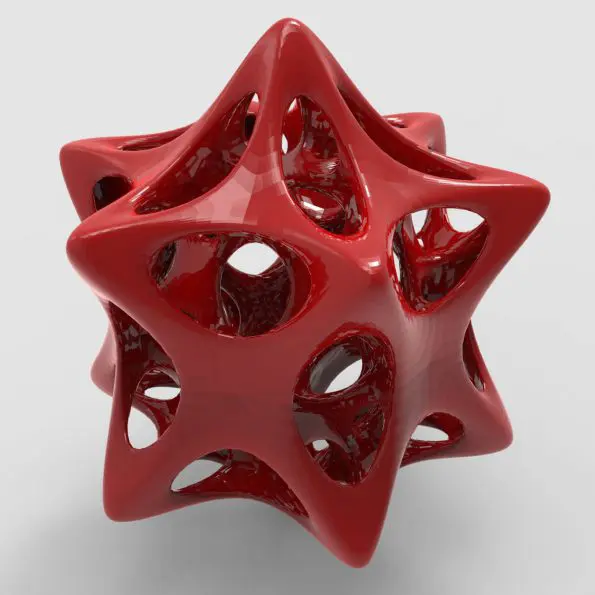
Organic Pattern
In this Paracourse lesson, we are going to model an organic mesh pattern by using Mesh+ Plugin combined with Weaverbird. First, we will model the base mesh and then we can smooth it to get to the final Mesh.
View file →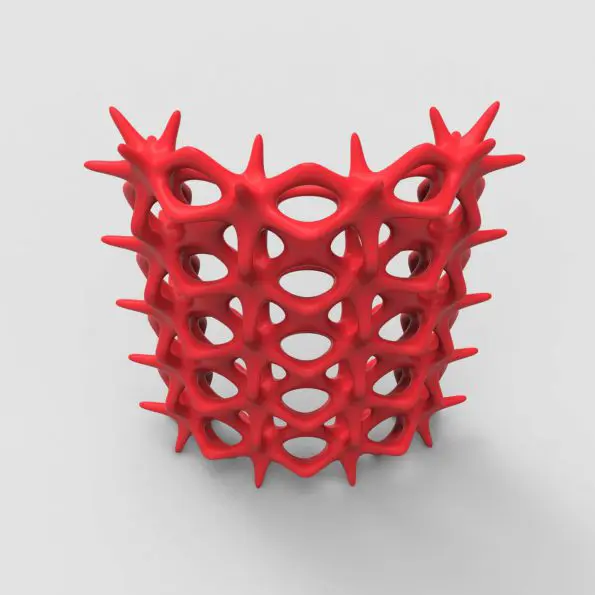
Smooth Mesh 2
In this Paracourse Lesson, we will model a smooth mesh on a surface and control the results by changing the defining parameters. You will also learn how to make a complete seamless mesh for one way closed Nurbs Surfaces.
View file →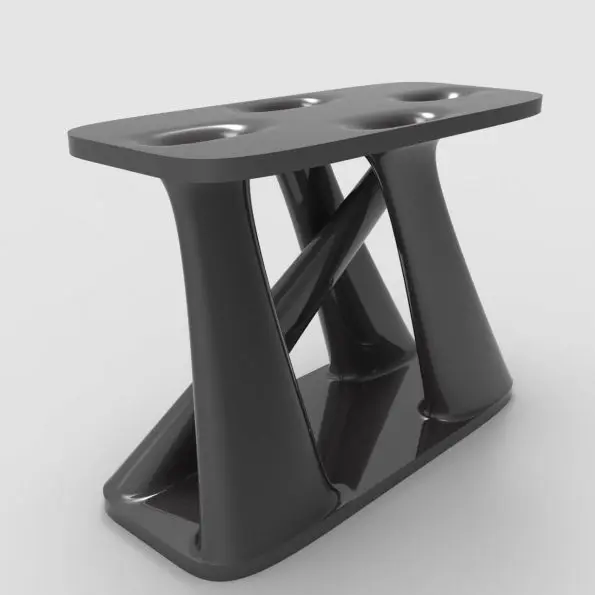
Bridging Meshes
In this Grasshopper course lesson, we will combine plugins to produce bridges between meshes. First, we will produce the base meshes and then study how we can define the bridging between the faces.
View file →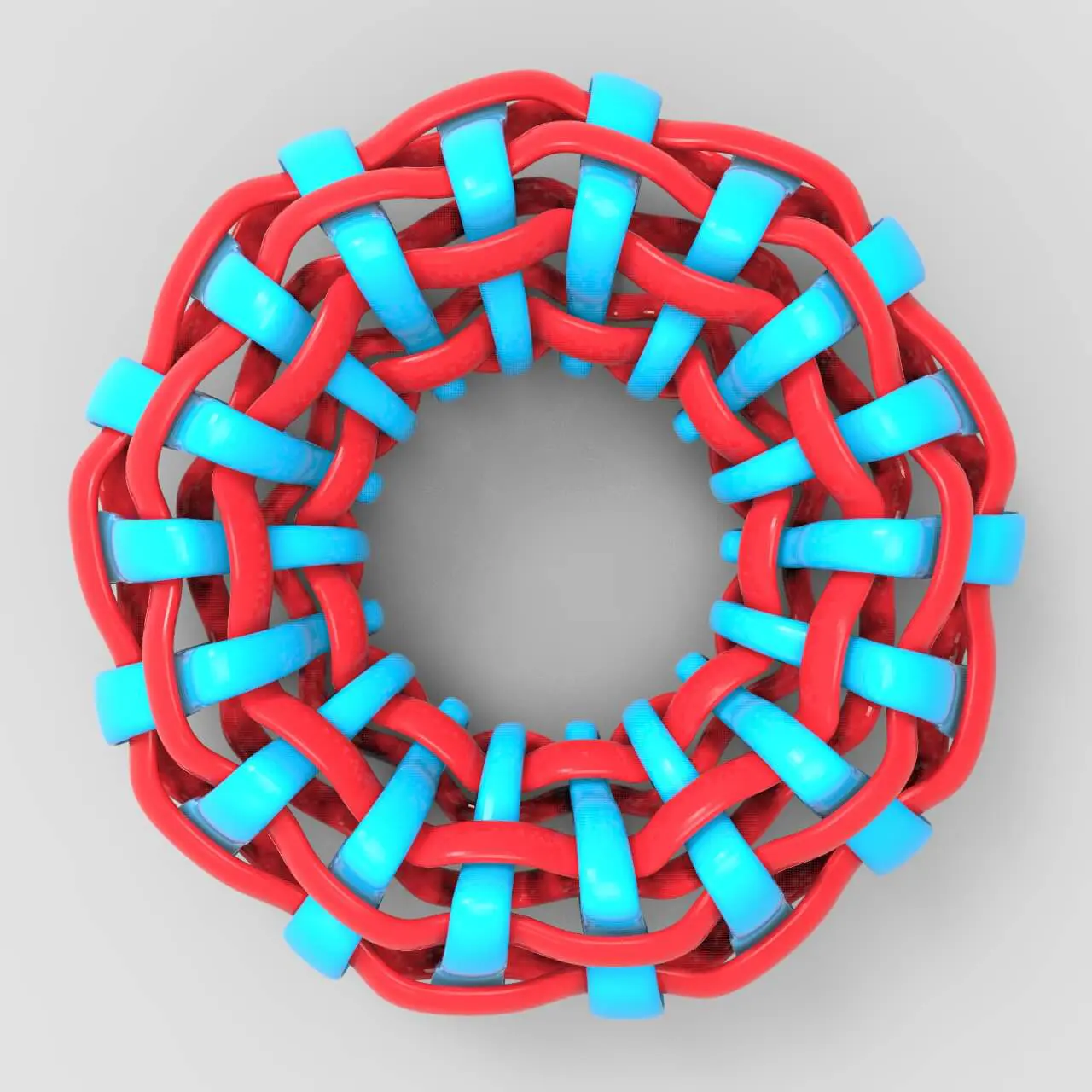
Weave Pattern
In this Paracourse lesson we will study how to make a weaving pattern on a closed nurbs surface. First we will study the problem of non closed meshes and how we can fix it by a joining technique. Then we will smooth the mesh and give it thi
View file →