File Library
Explore Grasshopper definitions, example files, tutorials and reusable computational design files.
1,012 matching files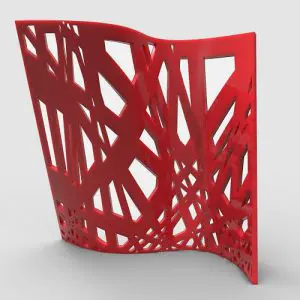
UV Pattern
In this Grasshopper Lesson, we will work with the UV curves of a NURBS surface to produce patterns or curves. First, we will study how the surface domain 2 works and then we will use intersections to produce more patterns.
View file →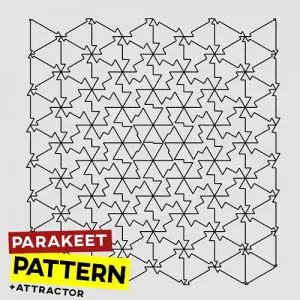
Parakeet Pattern
In this example file you can use the grasshopper’s different grids combined with Parakeet’s Genotype A to produce interesting Patterns.
View file →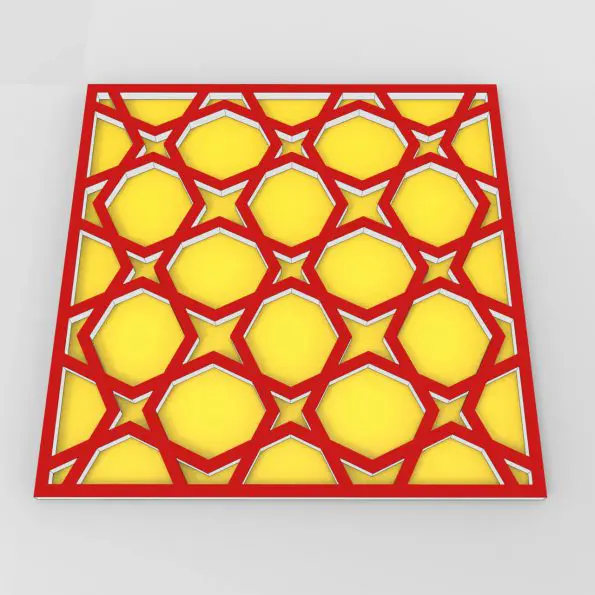
Simple Islamic Pattern
In this Paracourse Lesson we are going to use a simple technique to make the modeling of the islamic star pattern easier.First we are going to define two parameters for the pattern control and then we are going to give it a thickness.
View file →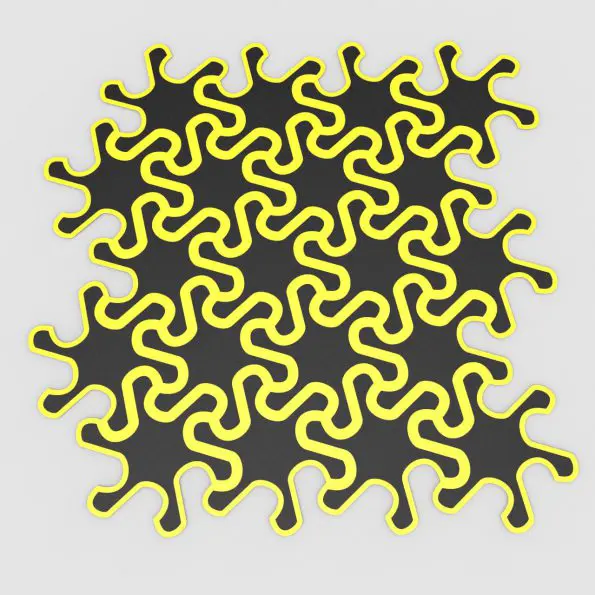
Interlocking Pattern
In this Paracourse Lesson we are going to model a parametric interlocking pattern. First we are going to start with a base grid (Hexagons) and then make the parametric connections with Nurbs curves.
View file →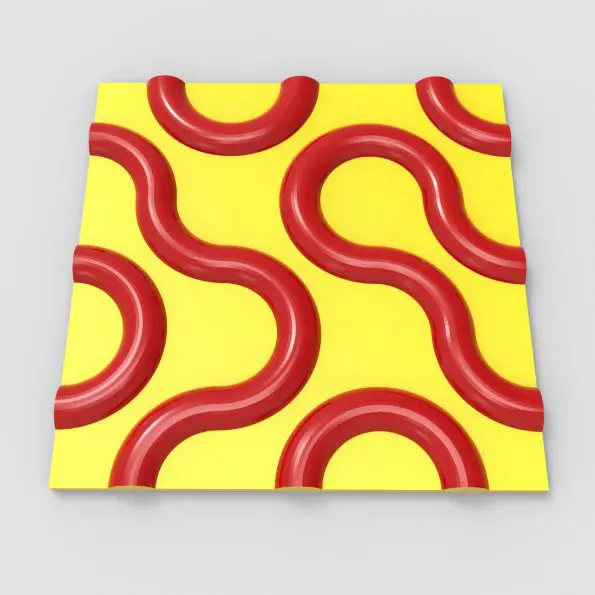
Truchet Tile Pattern
In this Paracourse Lesson we are going to model a complete 3d Truchet tiles based on pipes. First we are going to explain the logic behind the pattern and then we will model it from scratch.
View file →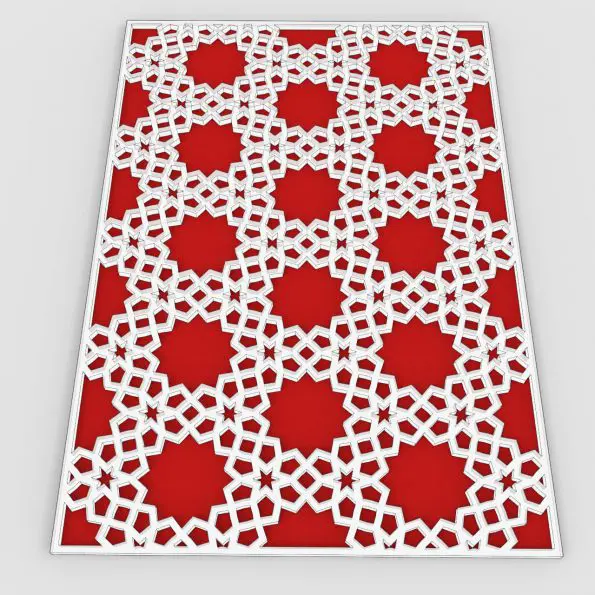
Islamic Star Pattern
In this ParaCourse Lesson, we ware going to model a parametric Islamic star pattern in Grasshopper. First, we are going to study the basics and how polygons in contact work and then we will make the stars inside the polygons.
View file →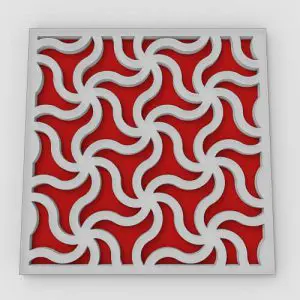
Parametric Curves
In this Paracourse lesson, we will model a parametric pattern. First, we will study the pattern and how we can recreate it with arcs. Then we will use a technique to give the base curves some thickness and get it ready for CNC or Laser Cut.
View file →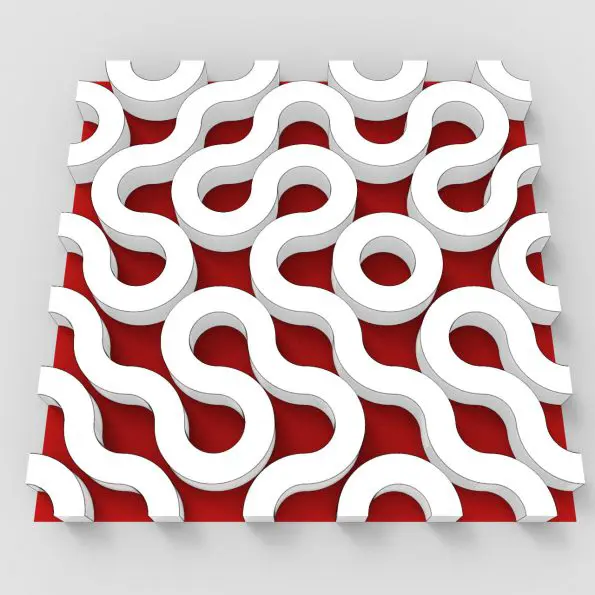
Truchet Tiles
In this video, we will model the Truchet tiles in Grasshopper. First, we will take a look at the tiles and how Truchet tiles work. Then we will use dispatch to produce two sets of square cells. We will simply draw arcs from the midpoint of
View file →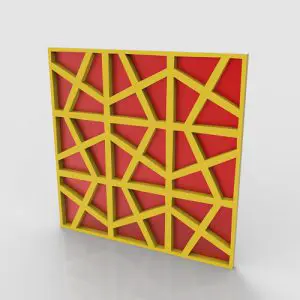
Cairo Tiling
In this Paracourse lesson, we will use advanced logic to model the Cairo tesselation from scratch. First, we will Study the pattern and then we will use several data management components to model the final mesh and give it thickness.
View file →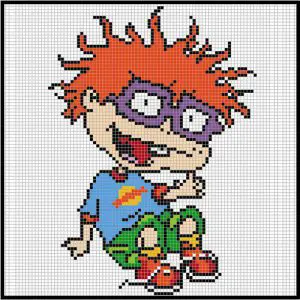
Pixel Art
In this Grasshopper course lesson, I will show how you can use the image sample to produce pixel art based on brightness or RGB. First, we will use the brightness to produce the resulting mesh and then we will dive into the RGB world.
View file →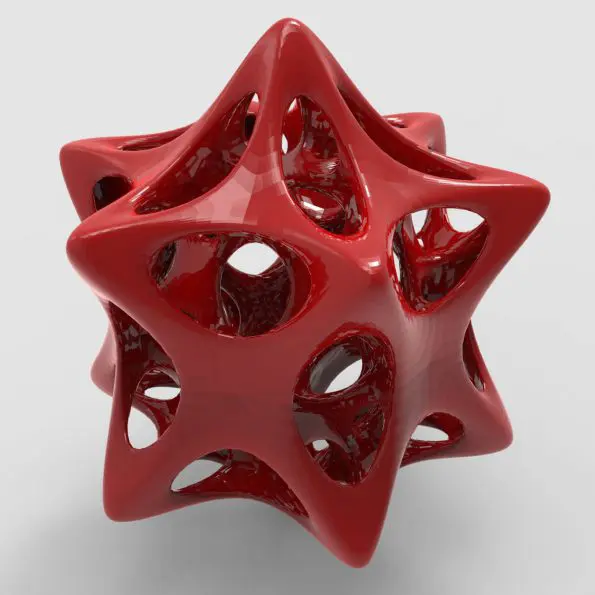
Organic Pattern
In this Paracourse lesson, we are going to model an organic mesh pattern by using Mesh+ Plugin combined with Weaverbird. First, we will model the base mesh and then we can smooth it to get to the final Mesh.
View file →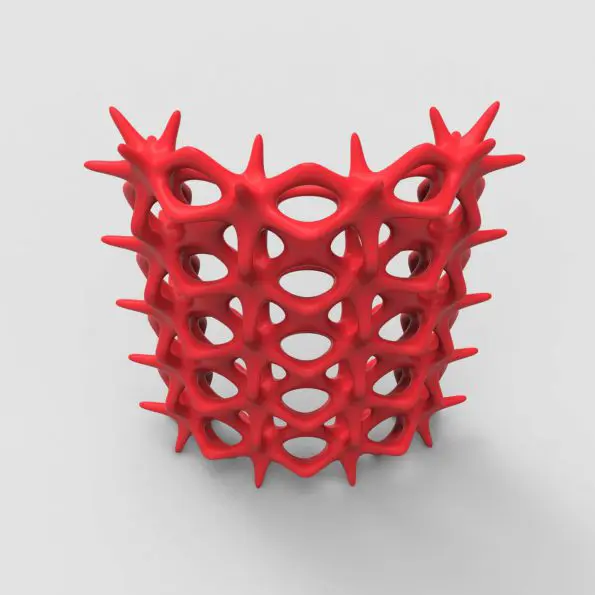
Smooth Mesh 2
In this Paracourse Lesson, we will model a smooth mesh on a surface and control the results by changing the defining parameters. You will also learn how to make a complete seamless mesh for one way closed Nurbs Surfaces.
View file →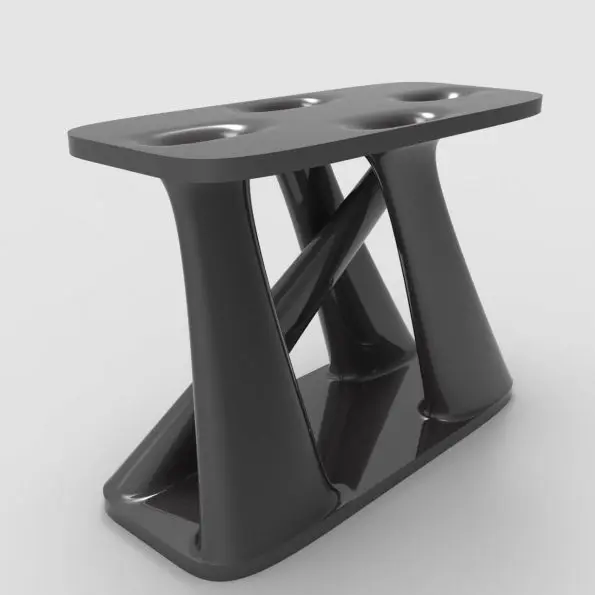
Bridging Meshes
In this Grasshopper course lesson, we will combine plugins to produce bridges between meshes. First, we will produce the base meshes and then study how we can define the bridging between the faces.
View file →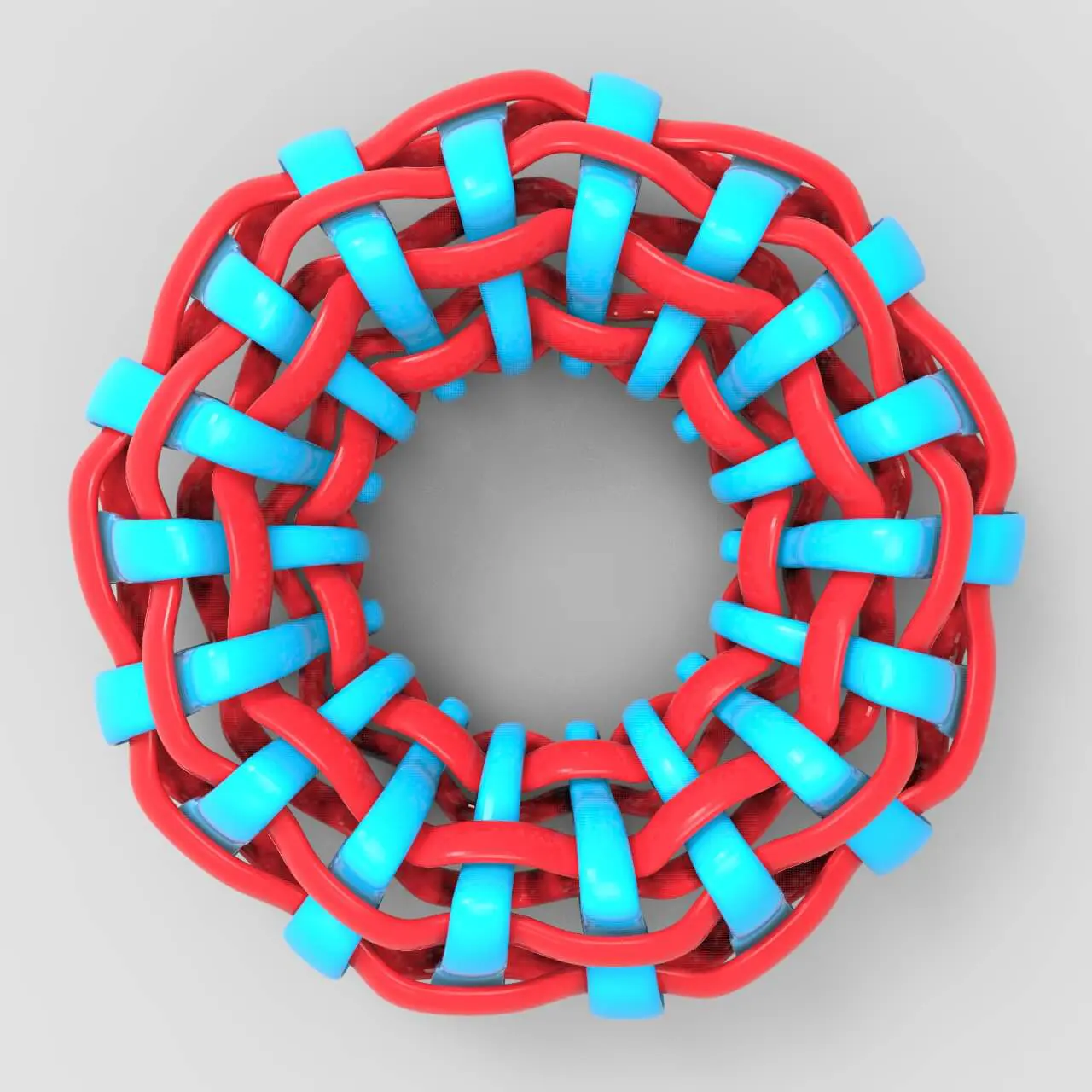
Weave Pattern
In this Paracourse lesson we will study how to make a weaving pattern on a closed nurbs surface. First we will study the problem of non closed meshes and how we can fix it by a joining technique. Then we will smooth the mesh and give it thi
View file →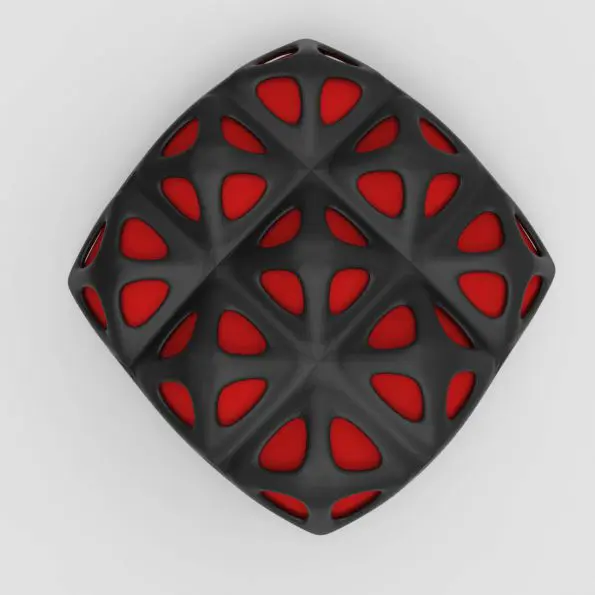
Smooth Mesh
In this Grasshopper lesson, I will talk about a technique you can use to produce smooth meshes. This tutorial will be the first for the smooth mesh series and can help you produce organic patterns.
View file →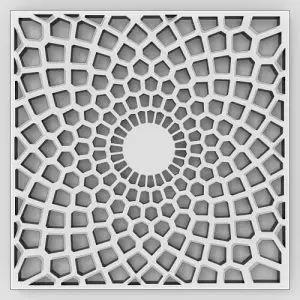
Voronoi Panels
In this Paracourse Lesson, I’m going to teach you how you can model decorative Voronoi panels and produce the polylines for laser cutting or CNC milling. We will first use a technique to produce the cells and then change the parameters to p
View file →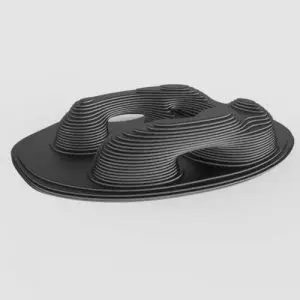
Metaball & Cocoon
In this lesson, I will show how you can use metaball and the Cocoon Plugin to produce voxel models. The base of this tutorial is to teach you how you can use the voxel modeling technique to model complicated forms.
View file →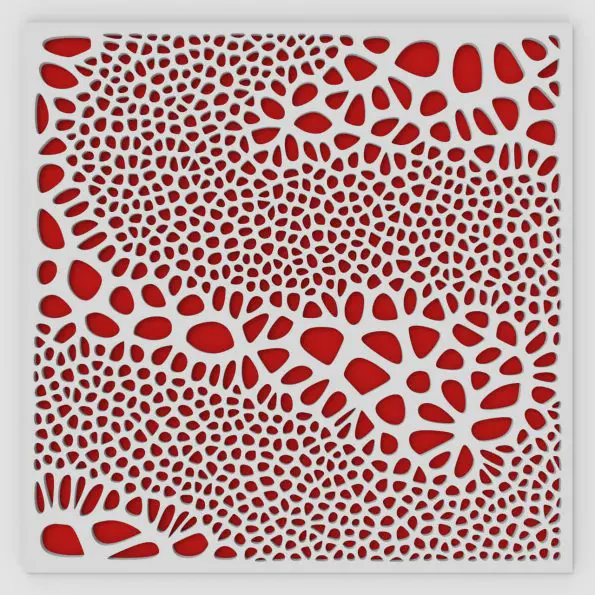
Image Voronoi
In this Grasshopper Course lesson, I will use the image sampler and combine it with Voronoi cells. Basically, this will help you understand how to analyze images brightness for geometry transformations.
View file →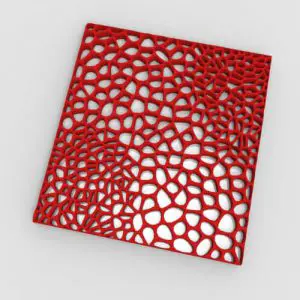
Voronoi Basics
In this Tutorial, I will show you how you can use the Voronoi command in Grasshopper and how you can use it to produce the Voronoi cells. First we will talk about the random nature of voronoi cells and then we will use populate…
View file →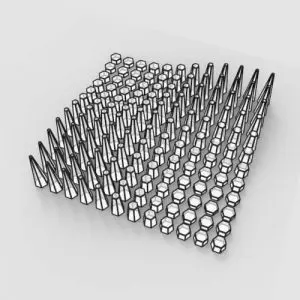
4-Grafting
In this lesson, I will show how grafting can help you to model parametric hexagons and use point attractors to change the height and scale of them. First, we will talk about grids and then we will step into the point attractor technique and
View file →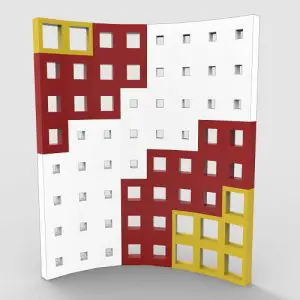
14- Paneling Tools (List)
In this Paracourse lesson, we will use the Paneling Tools plugin to cover a Nurbs surface with a series of modules. We will use point attractors to distribute the modules and in the end, we will count each module and export them in differen
View file →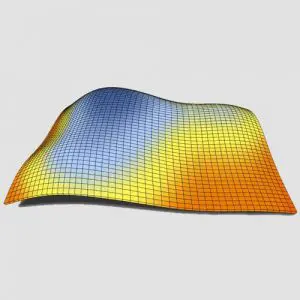
9- Based on colour
In this tutorial, I will explain how you can use Gradient to color a set of panels based on their height.
View file →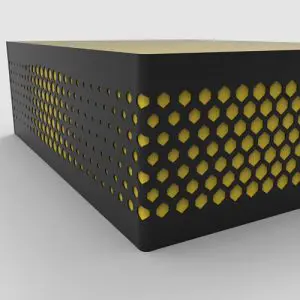
12- Parametric Hexagons
In this Paracourse Lesson, we are going to model a series of hexagons which scale based on point attractors. We are also going to study how to fix the cells on the closed Nurbs surface seam.
View file →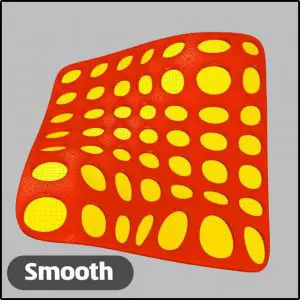
11- Paneling Attractors
In this Paracourse Lesson, we are going to use different attractors in Paneling tools to model a parametric grid that deforms with Point/Curve/Random and surface curvature. Finally, we are going to smooth the result.
View file →