File Library
Explore Grasshopper definitions, example files, tutorials and reusable computational design files.
140 matching files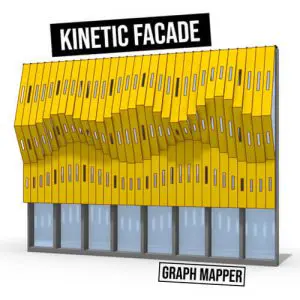
Kinetic Facade Panels
In this grasshopper example file You can design a kinetic facade with a series of vertical panels which close and open on a base surface.
View file →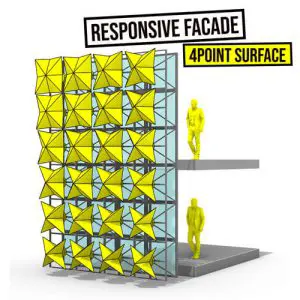
Responsive facade
In this grasshopper example file You can design a Responsive facade With three methods : 1- By changing the angle 2- Use the point of attraction 3- Use the curve of attraction
View file →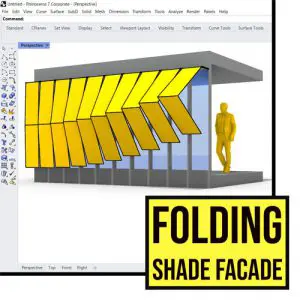
Shade facade
In this Rhino Grasshopper example file, You can design a folding shade facade. A point attractor can also be used to change the folding pattern parametrically.to change the angle of these shades.
View file →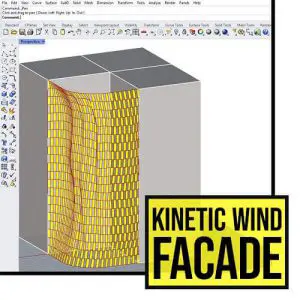
Kinetic Wind Facade
In this grasshopper example file, you can model a parametric Kinetic facade which reacts to a random wind, generated with Kangaroo2 Plugin.
View file →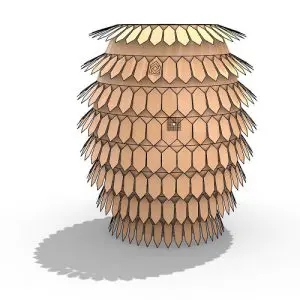
Responsive panels
In this grasshopper example file You can model a parametric facade with a series of panles which respond to a point attractor or a curve attractor.
View file →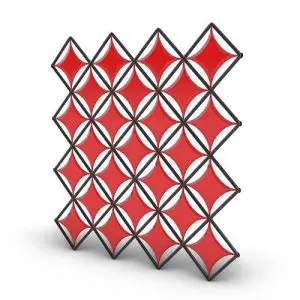
Tensile Facade
in this grasshopper example file, you can create a parametric pattern for tensile facade using lunxbox and kangaroo 2. then you can manipulate the base surface with graphmapper.
View file →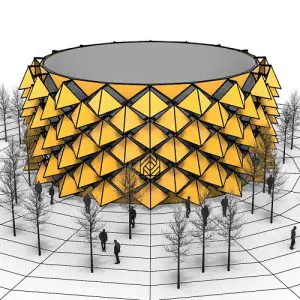
Lunchbox Triangular Facade
In this grasshopper example file you can design a parametric facade by rotating a series of triangular panels using the Lunchbox plugin
View file →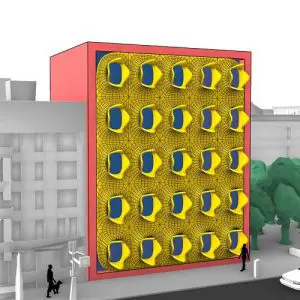
Mesh+ Facade
In this Grasshopper example file you can use the Kangaroo plugin combined with the Mesh+ plugin to model a parametric facade.
View file →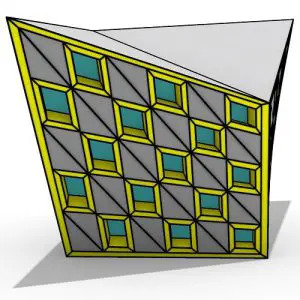
Facade Techniques
In this Grasshopper Architecture tutorial, we will model a parametric building facade and create a checkerboard pattern on the panels.
View file →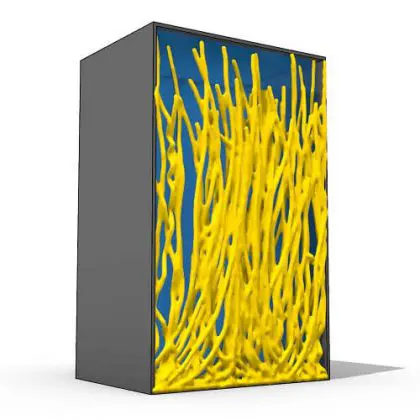
Particles Facade
In this Grasshopper example file you can use the Culebra plugin to simulate a swarmy behaviour of a series of particles on a facade.
View file →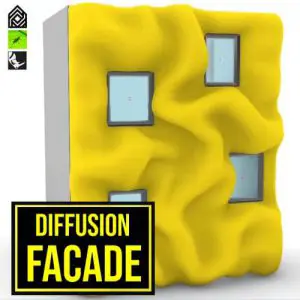
Diffusion Facade
In this Rhino Grasshopper Definition you can use the Kangaroo Plugin to deform a building’s facade by a differential growth pattern. You can also use the wind force for further deformation.
View file →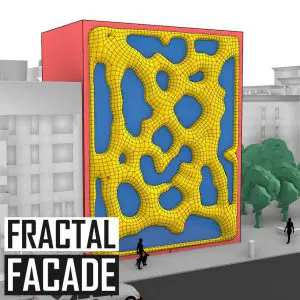
Dendro Fractal Facade
In this Grasshopper example file, you can use the Physarealm plugin combined with the Dendro Plugin to simulate a growing fractal-based facade.
View file →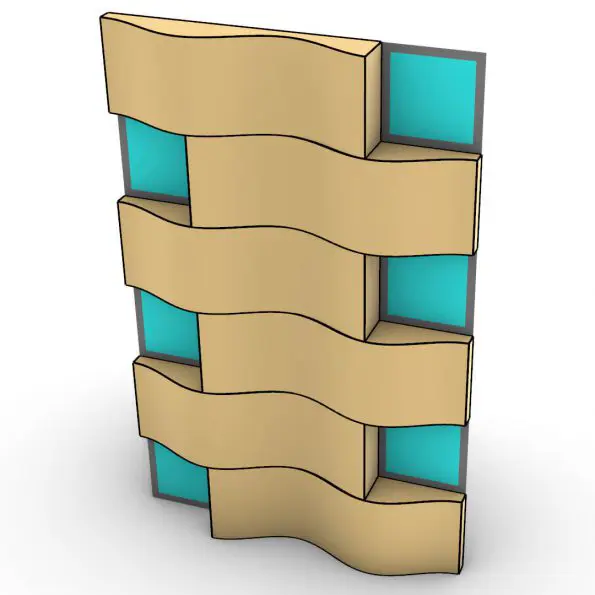
Wavy Facade Graph Mapper
In this Paracourse Lesson you will learn how to model a parametric wavy facade by using the graph mapper component and also shifting the pattern for each level.
View file →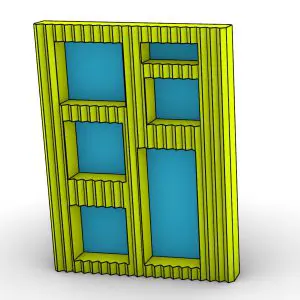
ZigZag Facade
In this grasshopper tutorial, you will learn how to model a zigzag parametric facade in Grasshopper.
View file →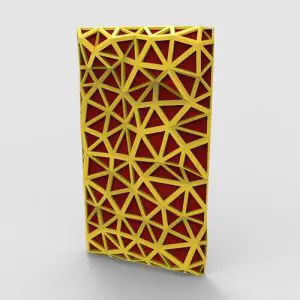
Random Facade
In this Paracourse Lesson we are going to model a parametric facade made by random triangles. First we will model the basics and then we will extract the windows and the frames and orient them on the ground for the final step.
View file →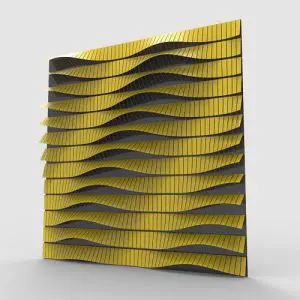
Wavy Facade 2
In this Paracourse lesson, we are going to model a wavy facade in Grasshopper. First, we are going to model the strips and then by using the curve attractor technique and some data management tricks we will model the louvers.
View file →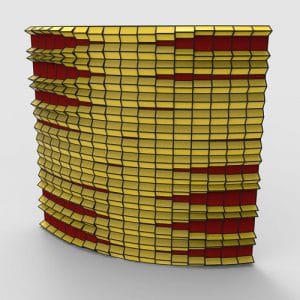
Mechanism Paneling
In this Paracourse Lesson, we are going to study a mechanism based on the Kiefer showroom facade. First, we are going to study how to model an opening and closing mechanism on a panel then we will convert it to a cluster and use it in our p
View file →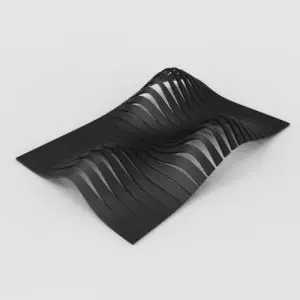
8- Based on height
In this grasshopper tutorial, I will model a facade louver system based on scaling. First I will divide the facade into louvers and then I will extract the lines and scale them based on the height of the surface. then we will remodel the lo
View file →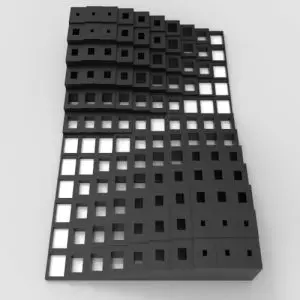
3- Parametric Point
In this Grasshopper tutorial, I will teach you how to define a parametric point in grasshopper and use it to design a framed facade. First we will find the distance between the attractor and the points and then we will define the extrusion
View file →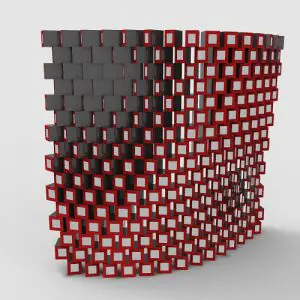
13- Rotating Panels
In this Paracourse lesson, we will model a series of rotating panels which extrude until they reach their neighboring surface. We will use three different techniques
View file →