File Library
Explore Grasshopper definitions, example files, tutorials and reusable computational design files.
648 matching files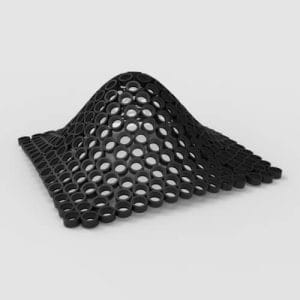
Simple Circle Packing
In this ParaCourse Lesson, we will study a simple circle packing technique by using the sphere collide component (Kangaroo plugin) and make a series of circles fit onto a surface.
View file →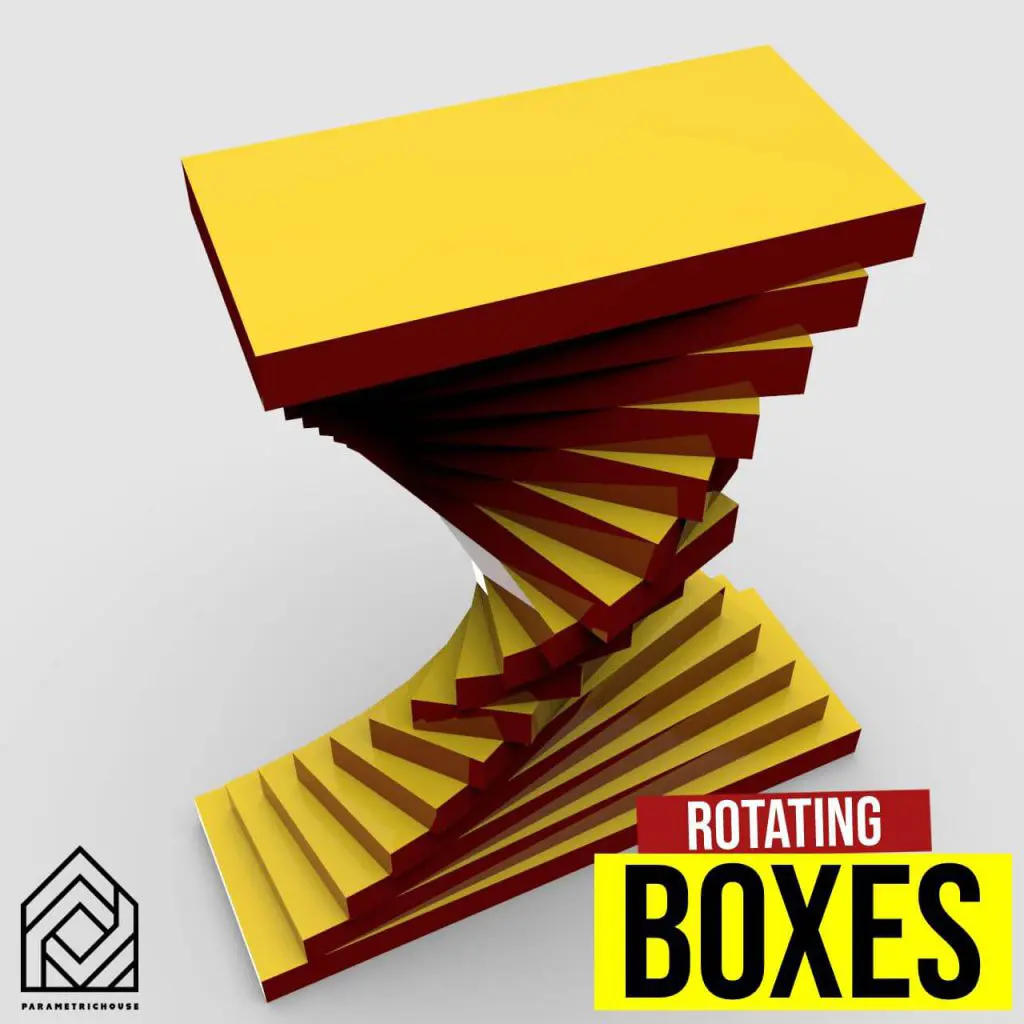
Rotating Boxes
In this Rhino Grasshopper Tutorial, you can model a series of twisting boxes by defining rectangular sections and then use the graph mapper to extract the non-linear distribution of the sections. In the end, you can extract the fabrication
View file →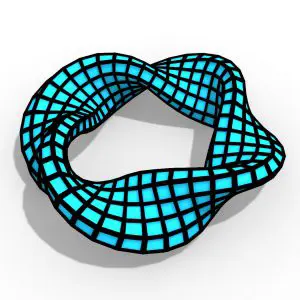
Mobius Strip
In This Rhino Grasshopper Tutorial, you can learn how to model a Mobius Strip step by step.
View file →
Parametric Helix
In this Paracourse lesson we are going to model a parametric helix in grasshopper from scratch.
View file →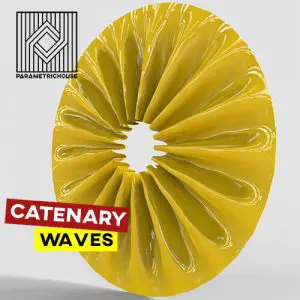
Catenary Waves
in this paracourse lesson, we are going to model a catenary wave surface. We are going to learn how to use “Shift List” and “Shift Paths” properly and also dividing data into groups by using “Partition List”
View file →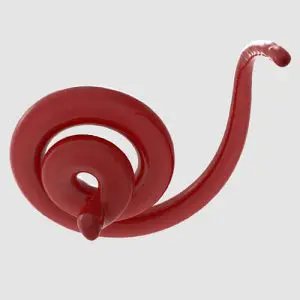
Polar Voxel
In this Paracourse Lesson we are going to use polar coordinates to model a parametric spiral. We will use graph mapper to give more control to the polar curve. Finally we can use the dendro plugin to voxelize it and give it a smooth mesh vo
View file →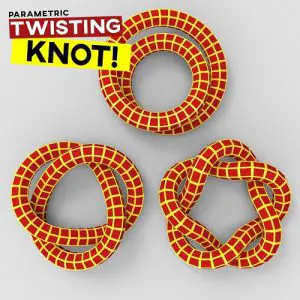
Twisted Knot
In this Paracourse Lesson we are going to model a parametric knot from scratch by using the Lunchbox plugin. First we are going to use a simple technique to extract the knot’s curve and then we will give it a volume and divide it into panel
View file →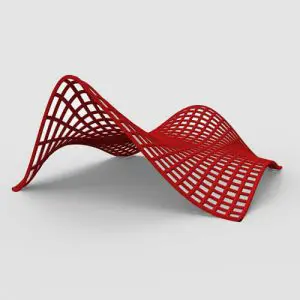
Spatial Deformation
In this Paracourse Lesson, we will use the Spatial Deformation (Custom) in Grasshopper to deform a surface by defining points with zero deformations and points with vector deformation. We will also control a mathematical function called “Fa
View file →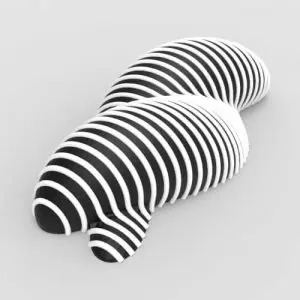
Math (Surfaces)
In this “ultimate package” grasshopper tutorial I will explain about two different techniques to model mathematical surfaces: Isomesh & Parametric. First I will explain how you can model the Isomesh surfaces in Grasshopper with the Monolith
View file →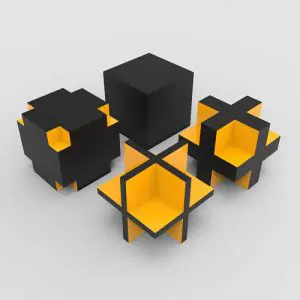
Boolean Box
In this Paracourse Lesson, we are going to model a parametric 3d pattern which is based on a solid difference of a parametric box with smaller boxes located at the corners.
View file →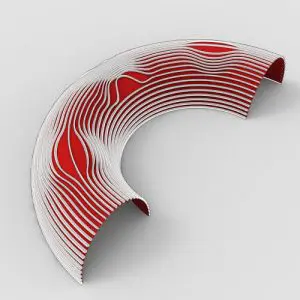
Pinch ‘n’ Spread
In this ParaCourse lesson, we will study the Pinch n Spread component of the Pufferfish plugin and how we can use it to morph a series of strips on a Nurbs surface.
View file →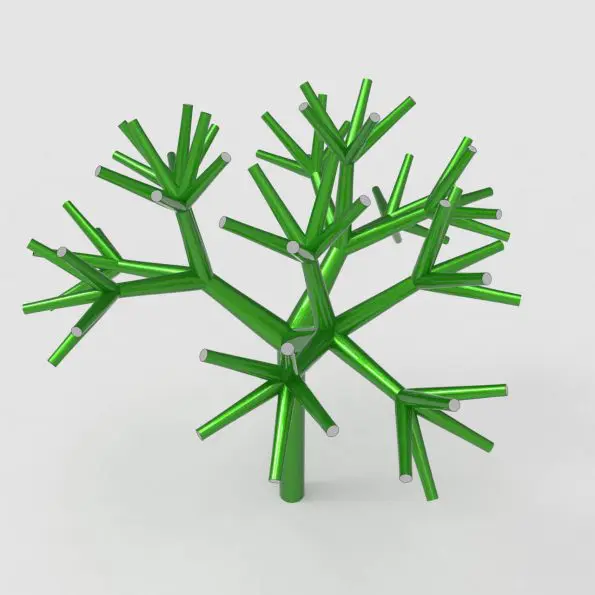
Branching
In this Paracourse Lesson, we will use the Anemone plugin to produce a branching system in Grasshopper. First, we will talk about the Anemone plugin and how it works and then we will use the looping system to make the branches step by step
View file →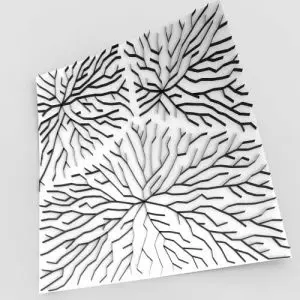
Venation Pattern
In this Grasshopper Lesson, I will show you with simple steps on how to make a venation pattern in Grasshopper using a short walk method. First, we will talk about the algorithm and how the pattern can be produced by random points and then
View file →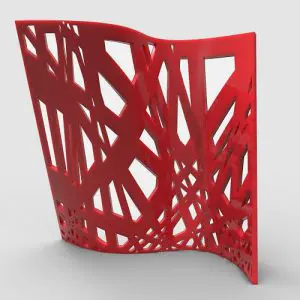
UV Pattern
In this Grasshopper Lesson, we will work with the UV curves of a NURBS surface to produce patterns or curves. First, we will study how the surface domain 2 works and then we will use intersections to produce more patterns.
View file →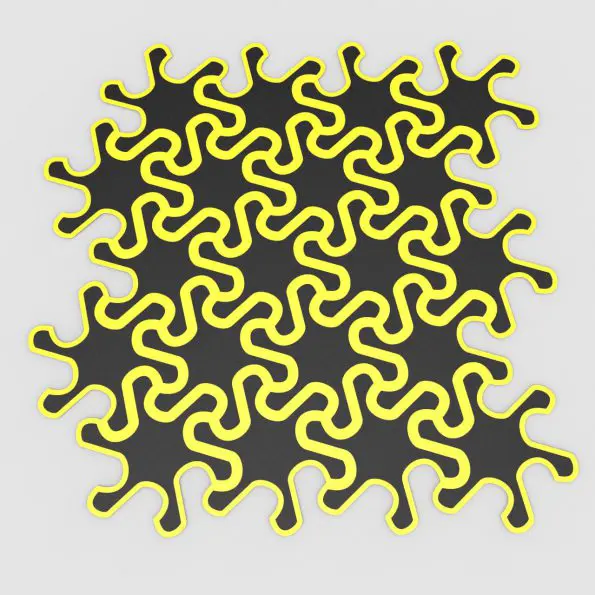
Interlocking Pattern
In this Paracourse Lesson we are going to model a parametric interlocking pattern. First we are going to start with a base grid (Hexagons) and then make the parametric connections with Nurbs curves.
View file →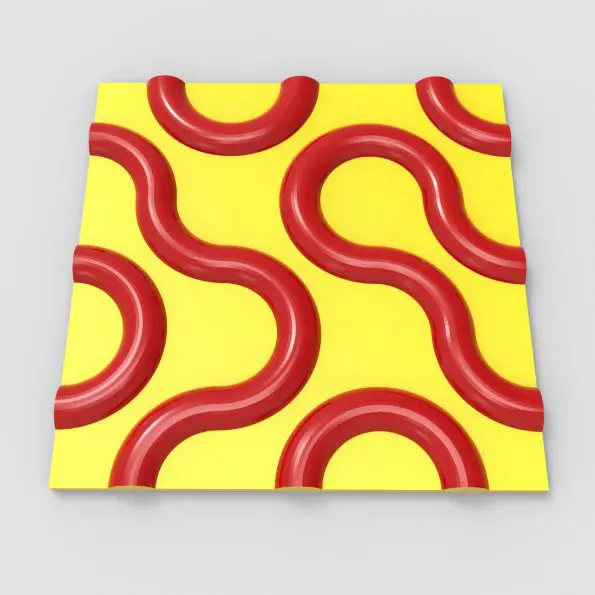
Truchet Tile Pattern
In this Paracourse Lesson we are going to model a complete 3d Truchet tiles based on pipes. First we are going to explain the logic behind the pattern and then we will model it from scratch.
View file →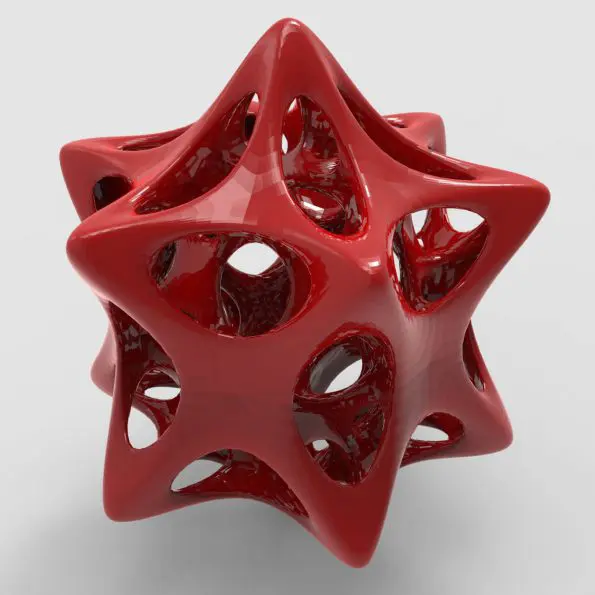
Organic Pattern
In this Paracourse lesson, we are going to model an organic mesh pattern by using Mesh+ Plugin combined with Weaverbird. First, we will model the base mesh and then we can smooth it to get to the final Mesh.
View file →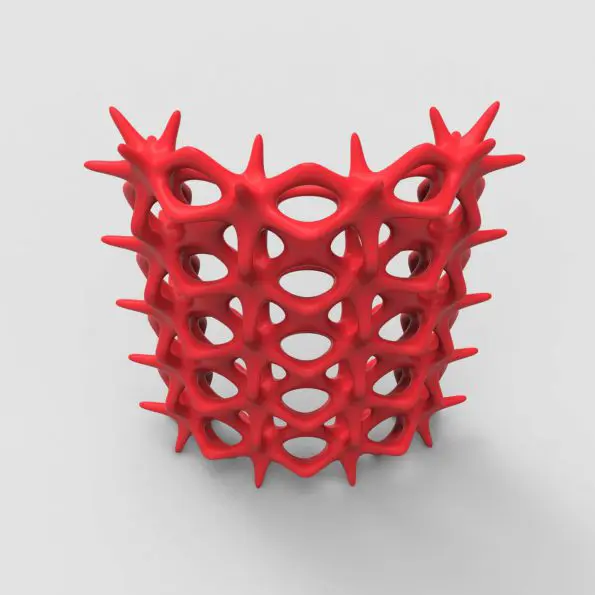
Smooth Mesh 2
In this Paracourse Lesson, we will model a smooth mesh on a surface and control the results by changing the defining parameters. You will also learn how to make a complete seamless mesh for one way closed Nurbs Surfaces.
View file →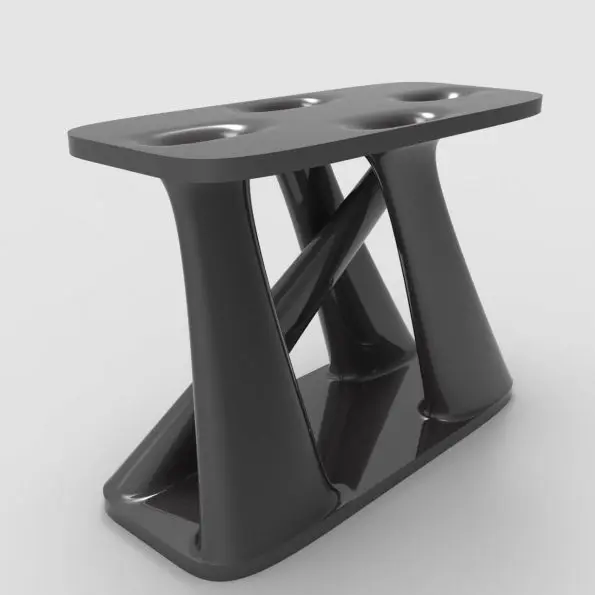
Bridging Meshes
In this Grasshopper course lesson, we will combine plugins to produce bridges between meshes. First, we will produce the base meshes and then study how we can define the bridging between the faces.
View file →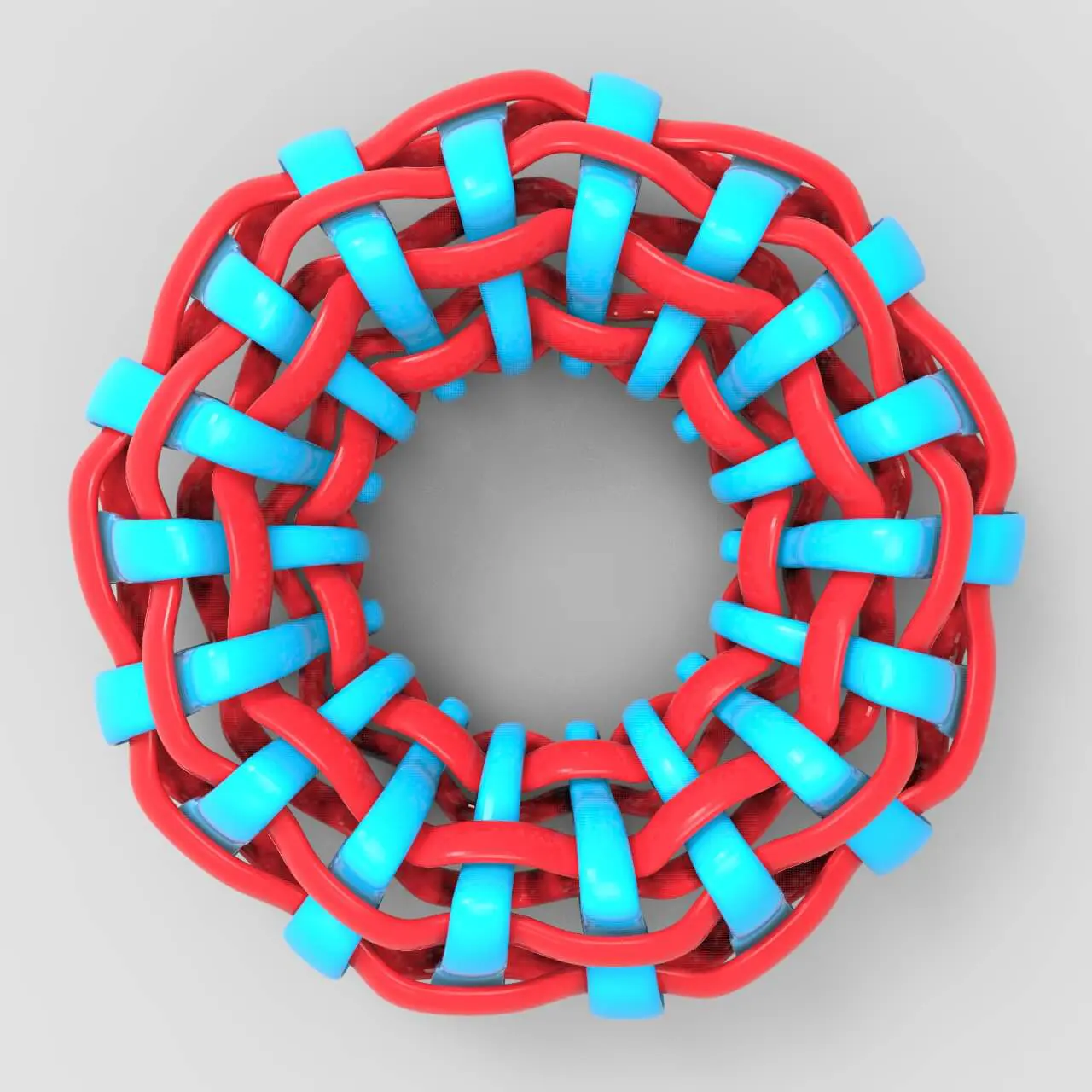
Weave Pattern
In this Paracourse lesson we will study how to make a weaving pattern on a closed nurbs surface. First we will study the problem of non closed meshes and how we can fix it by a joining technique. Then we will smooth the mesh and give it thi
View file →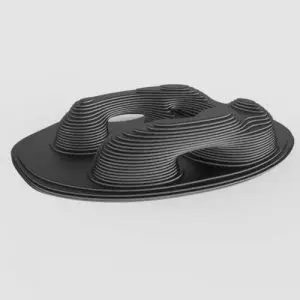
Metaball & Cocoon
In this lesson, I will show how you can use metaball and the Cocoon Plugin to produce voxel models. The base of this tutorial is to teach you how you can use the voxel modeling technique to model complicated forms.
View file →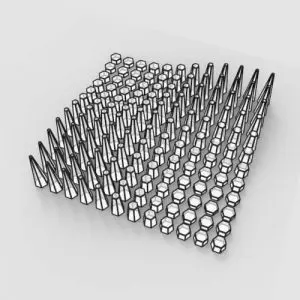
4-Grafting
In this lesson, I will show how grafting can help you to model parametric hexagons and use point attractors to change the height and scale of them. First, we will talk about grids and then we will step into the point attractor technique and
View file →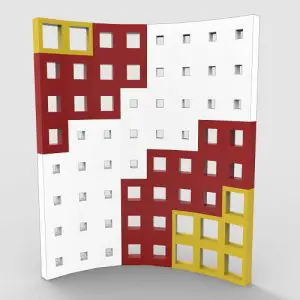
14- Paneling Tools (List)
In this Paracourse lesson, we will use the Paneling Tools plugin to cover a Nurbs surface with a series of modules. We will use point attractors to distribute the modules and in the end, we will count each module and export them in differen
View file →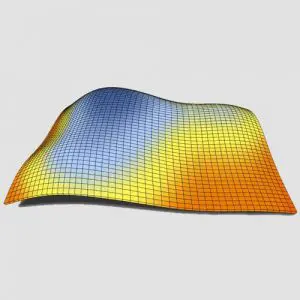
9- Based on colour
In this tutorial, I will explain how you can use Gradient to color a set of panels based on their height.
View file →