File Library
Explore Grasshopper definitions, example files, tutorials and reusable computational design files.
153 matching files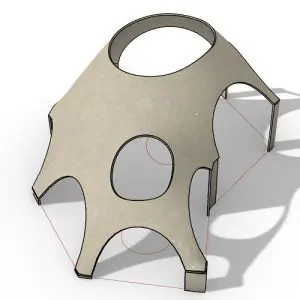
Polyine to Structure
In this Grasshopper Kangaroo tutorial, we will use an algorithm based on a closed polyline and curve inner boundaries to model a parametric structure.
View file →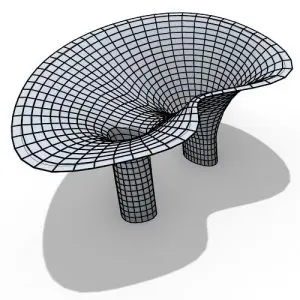
Kangaroo Pavilion
In this Grasshopper Kangaroo tutorial, we will model a parametric mesh pavilion by simply defining the top curve and the location and profile of the columns.
View file →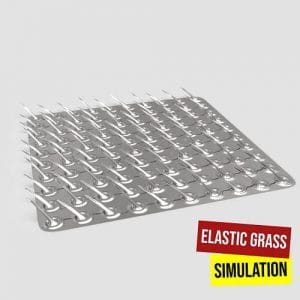
Elastic Grass Simulation
In this Grasshopper example file you can simulate a grass like pattern in a windy situation using Kangaroo 2 plugin .
View file →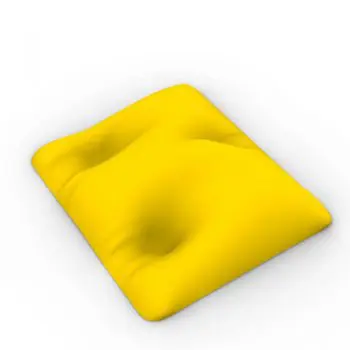
Inflated Kangaroo Mesh
In this Grasshopper example file you use the Kangaroo2 plugin to simulate a parametric inflated mesh .
View file →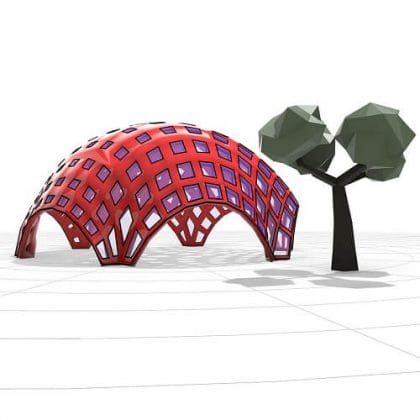
Kangaroo Form Finding
in this grasshopper example file, you can Model an optimized form with Physical Form Finding Methods using the Kangaroo 2 plugin.
View file →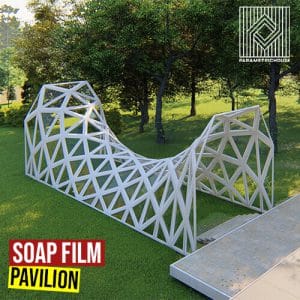
Soap Film Pavilion
In this Grasshopper kangaroo tutorial, we are going to use Kangaroo’s Live Physics engine to simulate a simple soap film mesh form. First, we are going to start with a box and then use the naked edges to define the fixed vertices. Finally,
View file →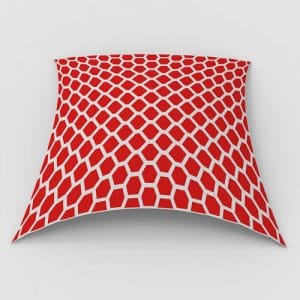
Planarize Polygons
In this Paracourse Lesson, we will use the Kangaroo plugin to show you how to planarize a series of panels. First, we will use Lunchbox to model the panels and then we will use Kangaroo’s goals to planarize.
View file →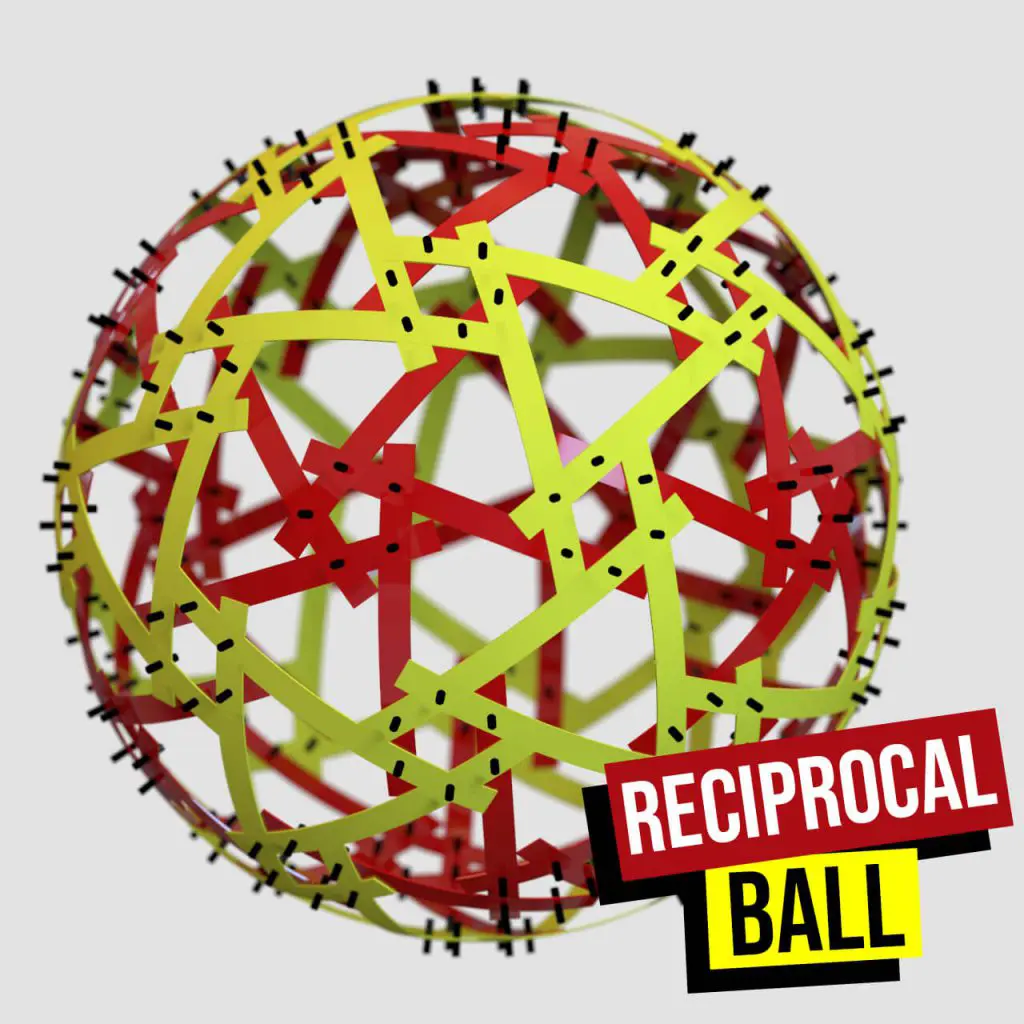
Reciprocal Ball
In this Paracourse Lesson, you will learn how to convert a sphere into a series of reciprocal strips. First, we are going to use the Kangaroo plugin to model the baselines, and then multiple techniques have been used to extract the final st
View file →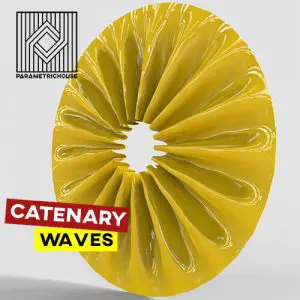
Catenary Waves
in this paracourse lesson, we are going to model a catenary wave surface. We are going to learn how to use “Shift List” and “Shift Paths” properly and also dividing data into groups by using “Partition List”
View file →